
What Is Sign & Encryption?
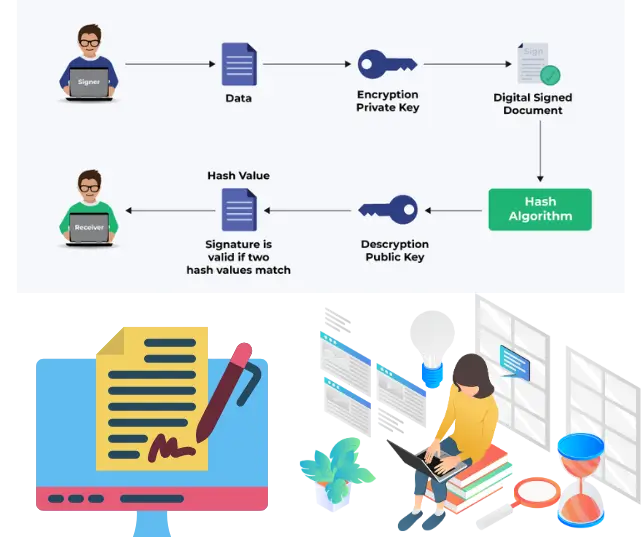
Sign & Encryption refers to a digital security process that ensures both authenticity and confidentiality of electronic data. “Sign” uses a Digital Signature Certificate (DSC) to verify the sender’s identity and maintain document integrity, while “Encryption” protects sensitive information by converting it into unreadable code for unauthorised users. If you are looking for a Signing & Encryption DSC, please contact us by clicking the button below.
Why Sign & Encryption Are Essential?
Data Security First
The system uses strong cryptographic methods to deliver total protection against hacking attempts as well as data leaks, which defends sensitive information from unauthorized
access.
Secure Transactions
Digital exchanges are protected from modification and acquisition attempts through this security mechanism, which guards financial operations together with sensitive communications and contracts.
Prevent Data Tampering
Digital signatures alert users to all unsanctioned modifications done to documents or messages to guarantee the information stays
unchanged since its original
creation.
Verify Authenticity
Digital signatures authenticate senders as well as sources to recognise thousands of potential sender identities, including businesses and individuals.
Confidentiality Guaranteed
Safeguarded communication, along with file storage, depends on encryption because the process protects sensitive information from anyone other than official recipients.
Trust in Digital
Electronic systems gain credibility from users because security verification protects
both online services and digital
documentation.
The Need for Encryption
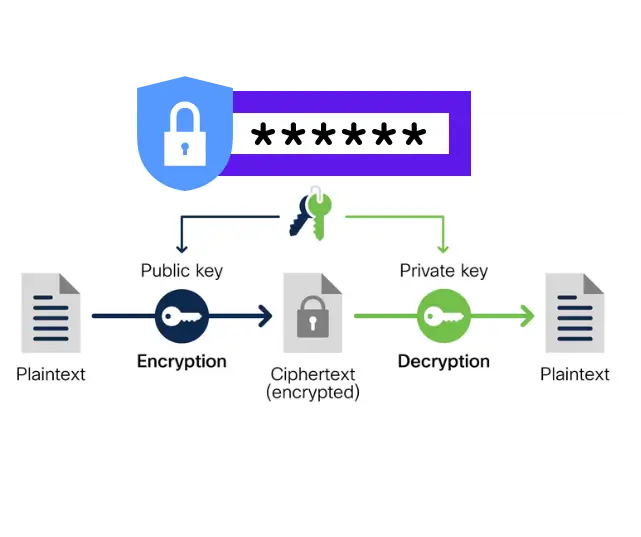
Digital communication confidentiality depends on encryption because it protects valuable data points from unauthorized intrusion. Encryption processes information into unrecognizable ciphertext while authorized parties need valid keys to decrypt it. Hackers who did not use encryption would gain access to sensitive personal data plus financial transactions, as confidential business communications resulting in data breaches and identity theft and financial fraud. Various industries like banking and healthcare under the HIPAA requirement together with e-commerce under PCI DSS depend on encryption for regulatory compliance and protecting user privacy.
The Need for Signing
The process of signing creates data integrity and authenticity that proves the message originates from an authenticated source without changes. Modern signatures implement cryptographic methods that establish a connection between data and user identity while stopping unauthorized changes to content. Non-repudiation (proof of origin) becomes essential in legal contracts and software updates as well as secure transactions. The signing process enables governments, through their respective legislations (eIDAS and ESIGN Act), along with enterprises, to validate agreements while fighting fraud and creating auditable trails.

Sign & Encryption: How They Work Together
| Feature | Signing | Encryption |
|---|---|---|
| Purpose | Verify authenticity & integrity | Protect data confidentiality |
| Key Used | Private key (sign), Public key (verify) | Public key (encrypt), Private key (decrypt) |
| Output | Digital signature | Encrypted ciphertext |